Choosing portable camping lights seems easy until you are actually at camp, trying to cook, unpack, find your socks, and avoid blasting everyone with harsh white light.
The best option is not always the brightest one. It is the light that fits your space, trip length, and after-dark routine. Specs matter, but only when they connect to real use, because a camping light is part comfort tool, part safety backup, and part campsite organizer.
So let’s make the choice practical, not overly technical, and easy to compare.
Start With Your Real Camping Setup
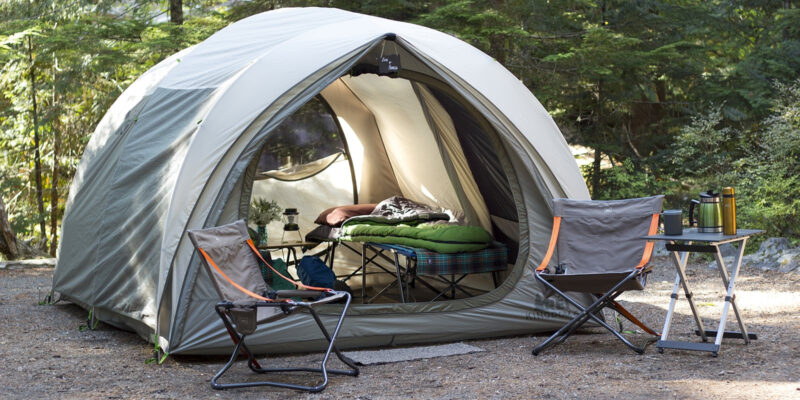
Before comparing product pages, picture your actual campsite. Are you sleeping in a small tent, setting up a cooking area, walking to shared bathrooms, or building a full family basecamp? This is also where online research gets tricky.
Many reviews repeat polished phrases around “rugged design” and “all-night brightness.” When a buying guide feels too generic, an AI checker can help you examine whether the wording feels machine-generated, but your own judgment still matters.
Real feedback usually mentions imperfect details, like glare, weak hooks, stiff buttons, or short runtime on high mode.
Match The Light Type To The Job
Most campers do better with a small lighting setup than one oversized lantern. A lantern gives shared light around the tent or table. A headlamp keeps your hands free when you cook, repair gear, or walk after dark.
A flashlight gives you a tighter beam when you need to check a path, locate something in the car, or look beyond the campsite.
| Light type | Best use | What to check first |
| Lantern | Tent, table, cooking area | Diffusion, hook, dimming |
| Headlamp | Walking, repairs, setup | Fit, beam angle, red mode |
| Flashlight | Focused searching | Grip, beam distance, durability |
| String lights | Camp comfort | Cable length, storage, power |
A layered setup gives you better control, less glare, and backup if one light dies.
Lanterns For Shared Spaces
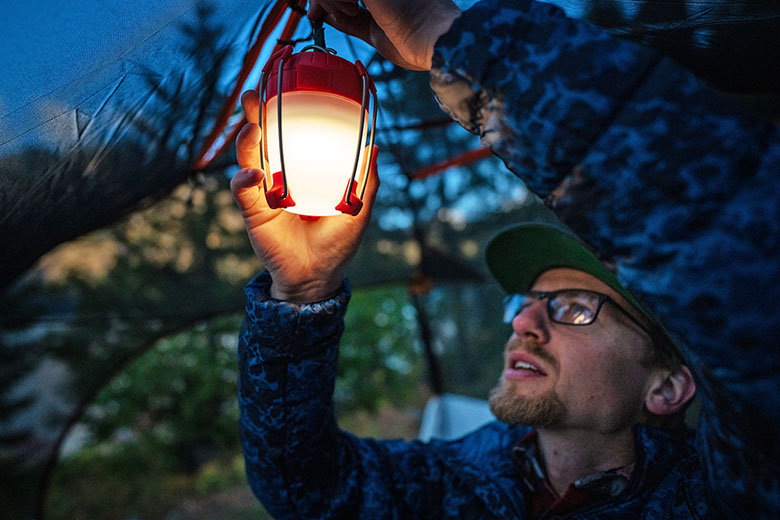
A lantern is the easiest choice when several people need the same pool of light. The key is diffusion. A clear, harsh lantern can feel bright on paper but uncomfortable in a small tent. A frosted cover or soft shade spreads light more evenly.
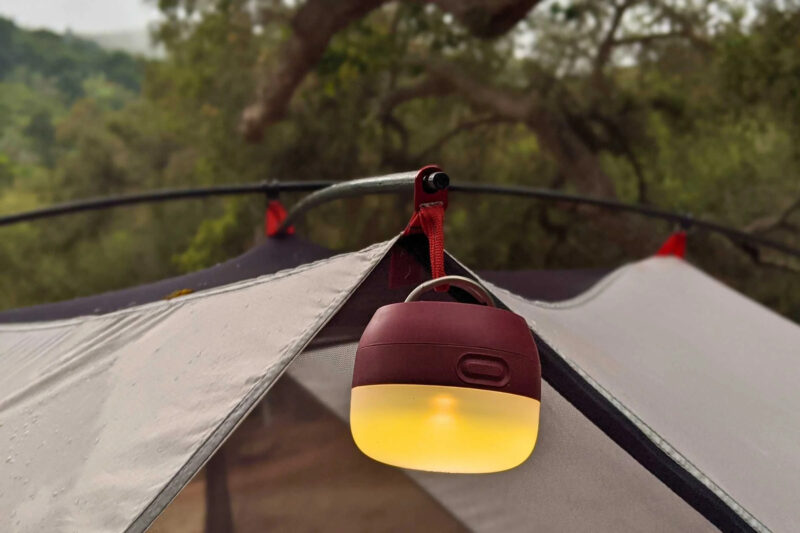
Look for a stable base if you plan to place it on a table. If you hang it inside a tent, check the hook shape and weight. A dimmable lantern is much more useful than one with only high and low settings.
Headlamps And Flashlights For Movement
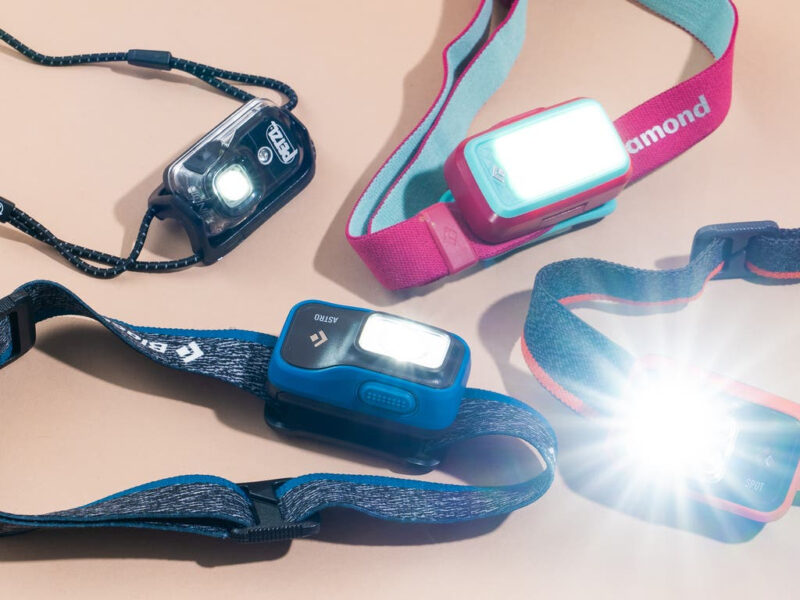
Headlamps are underrated until you need both hands. They are great for washing dishes, tying guy lines, checking tent stakes, or walking without juggling a phone light.
Comfort matters more than many people expect. Flashlights still make sense when you need a focused beam. They are good for checking noises, scanning a trail, or keeping in the car. For both headlamps and flashlights, beam shape matters.
A wide beam helps with close tasks, while a narrow beam helps with distance.
Do Not Chase Huge Lumens Blindly
Lumens tell you how much light a device can produce, but they do not tell the whole story. A very bright camping light can be useful when unloading gear in the dark, yet unpleasant when everyone is sitting down to relax.
For everyday camp use, adjustable brightness is more valuable than a dramatic maximum number.
The better question is simple: can it get bright enough, then dim low enough? Low settings save battery and create a calmer campsite.
Also, compare runtime at different brightness levels. “Up to” runtime claims often refer to the lowest setting, not the mode you will actually use for cooking or setup.
A camping light should solve darkness, not create glare. Control matters as much as brightness.
Battery Choice Should Fit The Trip
Rechargeable camping lights are convenient for weekend trips, especially if your other gear already uses USB-C or you carry a power bank.
Replaceable batteries are still useful for longer trips where charging is uncertain. Solar lights can help, but they work best as a backup or top-up option, not your only plan on cloudy days.
Think about your evening routine before trusting battery claims:
- How many nights will you be out?
- Can you recharge during the day?
- Will cold weather reduce battery performance?
For short trips, one strong rechargeable lantern may be enough. For longer trips, bring a backup headlamp or spare batteries. The goal is to avoid one dead light becoming a real problem.
Check Weather Protection And Build Quality
Camping lights get dropped, splashed, packed tightly, and sometimes forgotten outside. That is why weather protection matters.
IP ratings are useful because they describe protection against solids and liquids, instead of vague words like “weatherproof.”
For regular campsite use, splash resistance may be enough. For rain-heavy trips, kayaking, or fishing, look for stronger protection.
Build quality is not only about the shell. Check the charging port cover, hanging loop, button feel, base stability, and hinge design if the lamp folds.
A light can have great brightness and still be frustrating if it tips over, wobbles on a table, or has a rubber flap that never seals properly.
Small Features That Feel Big At Night
The best portable camping lights are usually the ones you barely think about once camp is set. You can hang them quickly, dim them easily, and find the controls without searching. These details matter when you are tired, cold, or trying not to wake anyone.
Helpful features include:
- Battery indicator lights
- Memory mode for your last brightness setting
- Magnetic base for vans or metal furniture
- Warm light mode for a softer campsite feel
- Lock mode to prevent accidental activation in your bag
Warm light is especially nice around tents and tables. Cooler light helps with tasks, but can feel harsh.
FAQs
[su_spoiler title="Can one camping light be enough for a weekend?" style="fancy"]
Yes, if your setup is very simple. For most people, one lantern plus a small headlamp is better because it covers both shared light and hands-free movement.
[/su_spoiler]

[su_spoiler title="Are solar camping lights reliable?" style="fancy"]
They can be helpful in sunny weather, but they are less reliable in shade, rain, or winter. Treat solar as support, not your only power plan.
[/su_spoiler]

[su_spoiler title="Is USB-C worth looking for?" style="fancy"]
Yes, especially if your phone, power bank, speaker, or camera already uses USB-C. It reduces cable clutter and makes charging easier at camp.
[/su_spoiler]
At last
Choosing portable camping lights becomes easier when you stop shopping by hype and start shopping by setup.
Think about where the light will sit, how you will move after dark, how long the battery needs to last, and how much weather it may face.
Brightness matters, but comfort, control, durability, and power options matter just as much, especially when conditions change. A good light should make camp feel easier, safer, and calmer.
Pick one that fits your habits, and the whole evening becomes smoother from setup to sleep.